



P2Y Receptor
P2Y receptors are a class of G protein-coupled receptors (GPCRs) activated by extracellular nucleotides (ATP, UTP, and UDP). There are eight mammalian P2Y receptor subtypes (P2Y1, P2Y2, P2Y4, P2Y6, P2Y11, P2Y12, P2Y13, and P2Y14). The P2Y receptors are expressed in various cell types and play important roles in physiology and pathophysiology including inflammatory responses and neuropathic pain.
The P2Y family can be further divided into a subfamily of five P2Y1, P2Y2, P2Y4, P2Y6, and P2Y11Rs (“P2Y1-like”) that stimulate phospholipase C (PLC) through Gq protein and a second subfamily of P2Y12, P2Y13, and P2Y14Rs (“P2Y12-like”) that inhibit adenylate cyclase through Gi protein. Other effector pathways have been documented, such as coupling of the P2Y11R to Gs as well as to Gq in some cells to induce stimulation of cyclic AMP production.
P2Y Receptor Isoform Specific Products
All Product Categories
-
P2Y Receptor Inhibitors
(58)
View all products
-
P2Y Receptor Agonists
(50)
View all products
-
P2Y Receptor Antagonists
(85)
View all products
-
P2Y Receptor Activators
(11)
View all products
-
P2Y Receptor Modulators
(4)
View all products
-
P2Y Receptor Controls
(3)
View all products
-
P2Y Receptor Ligands
(3)
View all products
-
P2Y Receptor Related Products (229)
Related Products (229)

-
Antibodies (2)
-
P2Y Receptor Isoform Comparison
-
BPTU
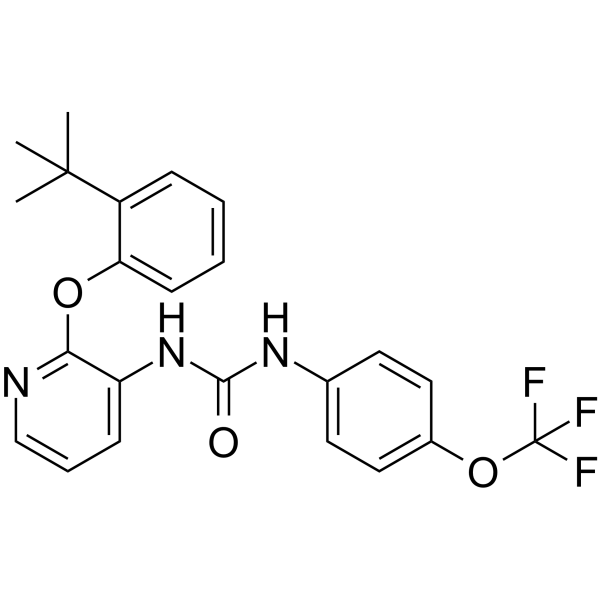 0 ImagesSynonyms: BMS-646786BPTU (BMS-646786) is a non-nucleotide P2Y1 receptor allosteric antagonist with antithrombotic activity. BPTU is able to block the P2Y1 receptor located at the neuromuscular junction of the gastrointestinal tract.
-
Uridine 5′-diphosphoglucose (Standard)
 0 ImagesSynonyms: UDP-D-Glucose (Standard)Uridine 5′-diphosphoglucose (Standard) (UDP-D-Glucose (Standard)) is the analytical standard of Uridine 5′-diphosphoglucose (HY-113044). This product is intended for research and analytical applications. Uridine 5’-diphosphoglucose (UDP-glucose), secreted by cardiomyocytes during ischemia and reperfu, is a potent agonist of the proinflammatory P2Y14 receptor. It acts an important role in the regulation of inflammation and neutrophil polarization in neutrophils. Uridine 5’-diphosphoglucose is also the precursor of glucose-containing oligosaccharides, polysaccharides, glycoproteins, and glycolipids in animal tissues and in some microorganisms. Uridine 5’-diphosphoglucose is promising for research in counteracting myocardial infarction/reperfusion (MIR)-induced inflammation in the heart tissue.
-
PPTN hydrochloride
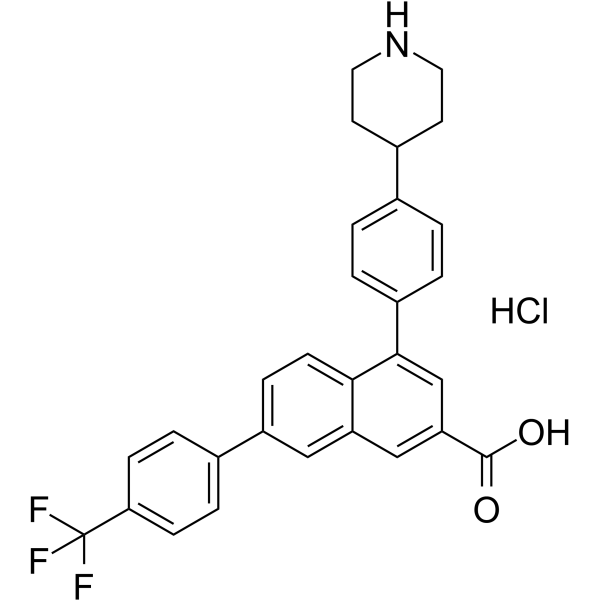 0 ImagesPPTN hydrochloride is a potent, high-affinity, competitive and highly selective P2Y14 receptor antagonist with a KB value of 434 pM. PPTN hydrochloride exhibits no agonist or antagonist effect at the P2Y1, P2Y2, P2Y4, P2Y6, P2Y11, P2Y12, or P2Y13 receptors. Anti-inflammatory and anti-immune activity.
-
Uridine 5'-diphosphate sodium salt
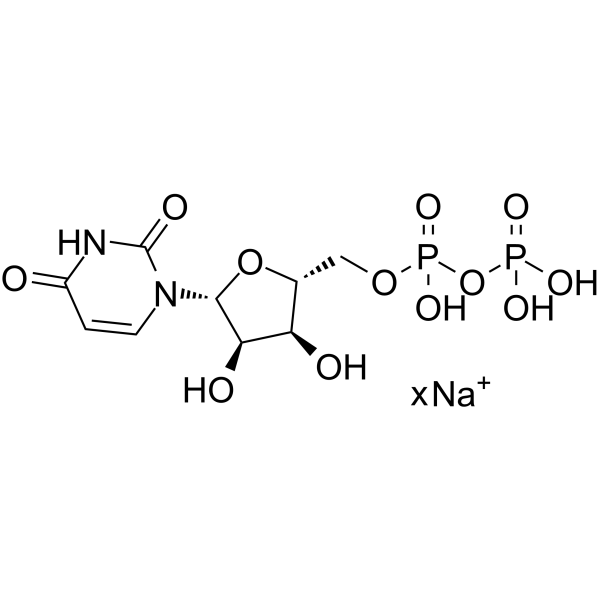 0 ImagesSynonyms: UDP sodium saltUridine-5'-diphosphate (UDP) sodium salt is an important nucleotide made of uracil, ribose, and a pyrophosphate group. Uridine-5'-diphosphate sodium salt is a potent, selective human P2Y6 receptor native agonist (EC50 = 300 nM; pEC50 = 6.52). Uridine-5'-diphosphate sodium salt, an endogenous metabolite, catalyzes the glucuronidation of a wide array of substrates and is used in nucleic acid (RNA) biosynthesis.
-
MRS2179 tetrasodium hydrate
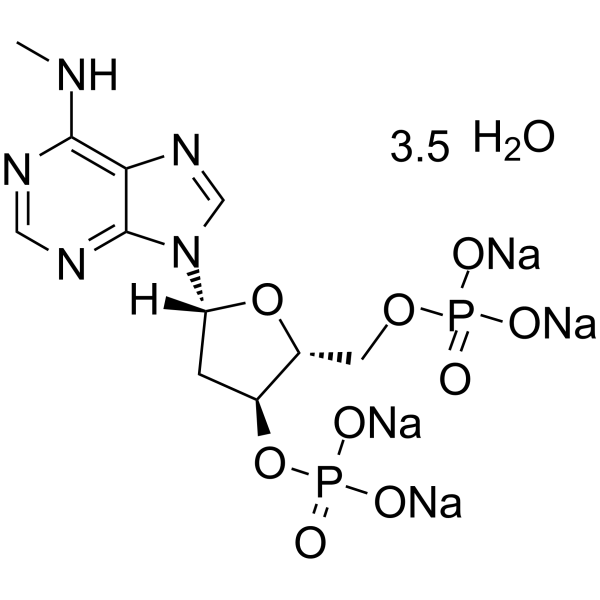 0 ImagesCat. No.: HY-101308APurity: 99.6%MRS2179 tetrasodium hydrate is a competitive P2Y1 receptor antagonist, with a Kb of 102 nM and a pA2 of 6.99 for turkey P2Y1 receptor. MRS2179 tetrasodium hydrate is selective for P2Y1 over P2X1 (IC50=1.15 µM), P2X3 (12.9 µM), P2X2, P2X4, P2Y2, P2Y4, and P2Y6 receptors. MRS2179 tetrasodium hydrate inhibits platelet aggregation.
-
ADP-β-S trilithium
 0 ImagesCat. No.: HY-134353BCAS No.: 73536-95-5Synonyms: Adenosine 5'-β-thiodiphosphate trilithiumADP-β-S (Adenosine 5'-(β-thiodiphosphate)) trilithium is a non-hydrolyzable ADP analog and a P2Y12 receptor agonist. ADP-β-S trilithium activates the P2Y12 receptor in microglia, thereby triggering downstream inflammatory signaling pathways. ADP-β-S trilithium activates P2Y purinergic receptors in rat pancreatic β cells and enhances glucose-induced insulin secretion. ADP-β-S trilithium can be used in the research of diseases such as inflammation and diabetes.
-
NF157
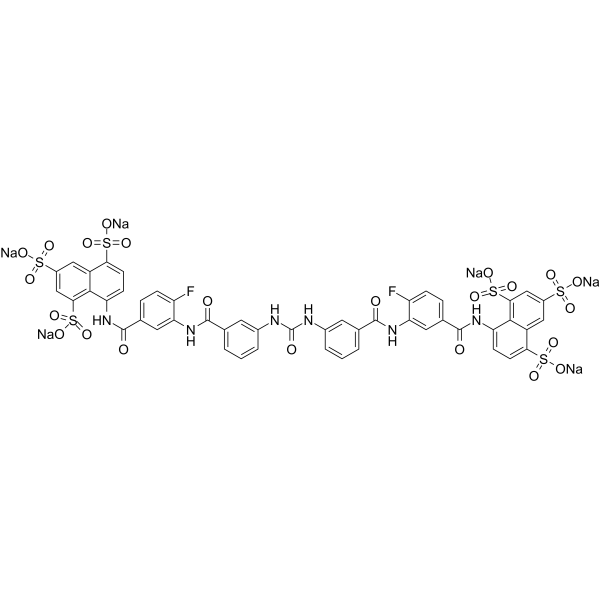 0 ImagesNF157 is a highly selective nanomolar P2Y11 antagonist with a pKi of 7.35. The IC50s are 463 nM, 1811 µM, 170 µM for P2Y11 (Ki=44.3 nM), P2Y1 (Ki=187 µM), P2Y2 (Ki=28.9 µM), respectively. NF157, significantly reduces expression of metalloproteinase (MMP)-3, MMP-13, can be used in the treatment of osteoarthritis (OA).
-
Prasugrel
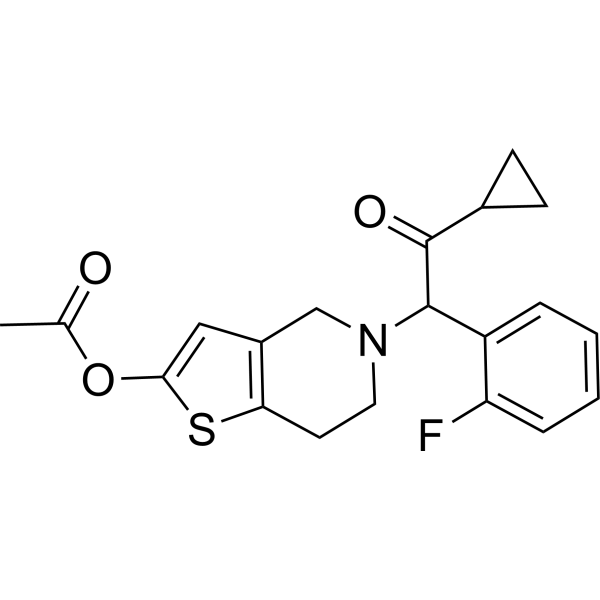 0 ImagesSynonyms: PCR 4099Prasugrel (PCR 4099), a thienopyridine and proagent, inhibits platelet function. Prasugrel is an orally active and potent P2Y12 receptor antagonist, and inhibits ADP-induced platelet aggregation.
-
P2Y2R/GPR17 antagonist 1
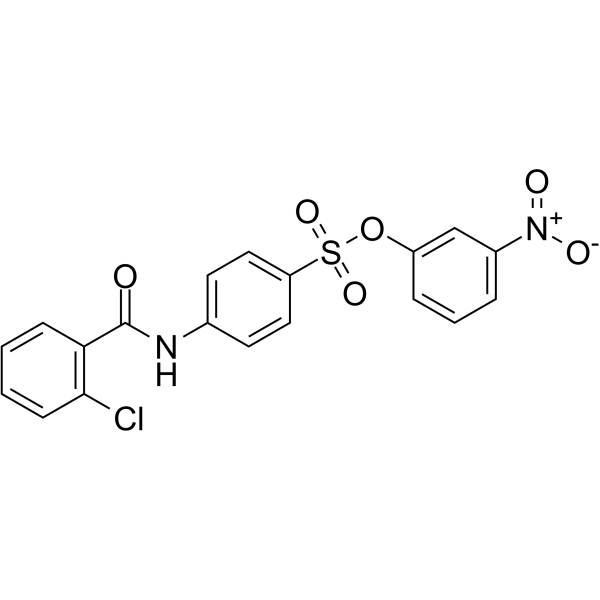 0 ImagesP2Y2R/GPR17 antagonist 1 (Compound 14m) is a dual P2Y2R and GPR17 antagonist with IC50 values of 3.17 µM and 1.67 µM against P2Y2R and GPR17, respectively. P2Y2R/GPR17 antagonist 1 shows excellent metabolic stability in human liver microsomes.
-
MRS 2211 sodium hydrate
 0 ImagesCat. No.: HY-137955CAS No.: 1197030-56-0MRS 2211 sodium hydrate is a competitive P2Y13 receptor antagonist (pIC50= 5.97). MRS 2211 sodium hydrate is highly selective to the P2Y13 receptor, showing more than 20-fold selectivity compared to the P2Y1 and P2Y12 receptors. MRS 2211 sodium hydrate can be used to further investigate the role of the P2Y13 receptor in different physiological and pathological processes, such as its function in blood cells, the nervous system and the immune system.
-
NF546 hydrate
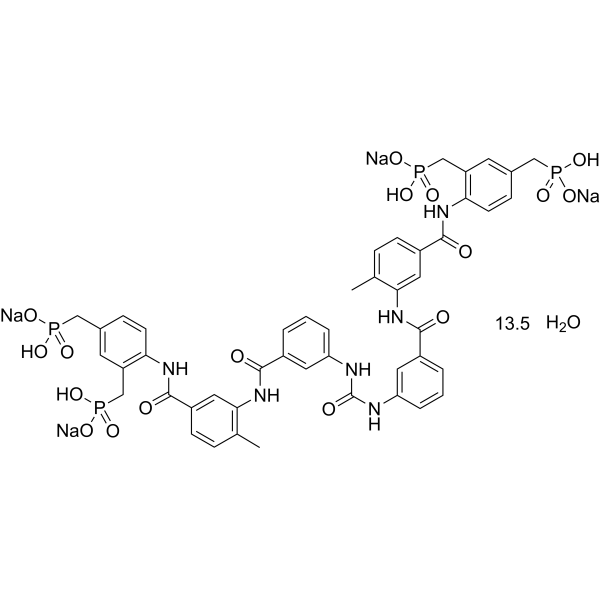 0 ImagesCat. No.: HY-108661ANF546 (hydrate) is a selective non-nucleotide P2Y11 agonist with a pEC50 of 6.27. NF546 (hydrate) stimulates release of interleukin-8 from human monocyte-derived dendritic cells.
-
MRS2500 tetraammonium
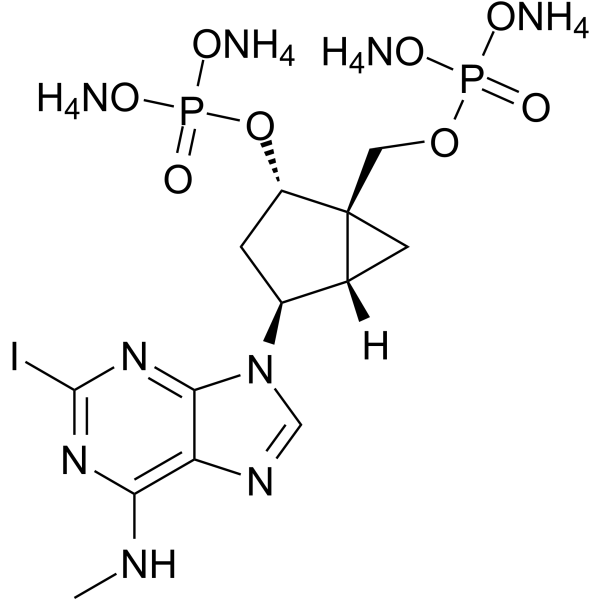 0 ImagesMRS2500 tetraammonium is a potent, selective and stable antagonist of the P2Y1 receptor (Ki=0.78 nM for recombinant human P2Y1 receptor). MRS2500 tetraammonium inhibits the ADP-induced aggregation of human platelets with an IC50 value of 0.95 nM. Antithrombotic activity.
-
2-Methylthio-AMP
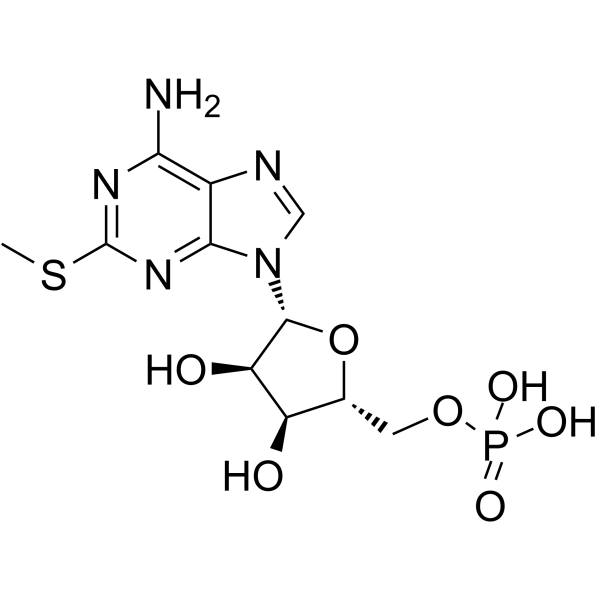 0 ImagesSynonyms: 2-MeSAMP; 2-Methylthioadenosine 5′-monophosphate; 2-Methylthioadenosine 5′-phosphate2-Methylthio-AMP (2-MeSAMP) is a selective and direct P2Y12 antagonist. 2-Methylthio-AMP is an inhibitor of ADP-dependent platelet aggregation.

-
Chloramphenicol succinate sodium
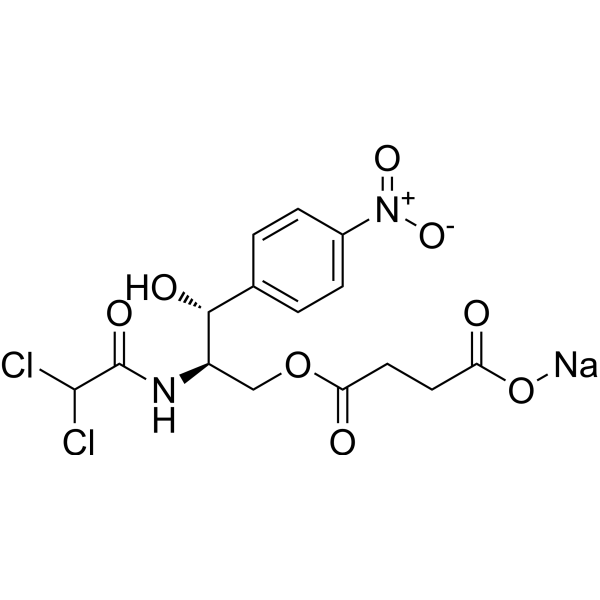 0 ImagesChloramphenicol succinate sodium is a prodrug of Chloramphenicol (HY-B0239), acting as a P2Y14R inhibitor with an IC50 of 1.585 nM. Chloramphenicol succinate sodium serves as a competitive substrate and inhibitor of succinate dehydrogenase (SDH), which may account for its toxicity. Chloramphenicol succinate sodium exerts a significant inhibitory effect on colitis. Chloramphenicol succinate sodium can be used in research related to myelosuppression, gray baby syndrome, aplastic anemia, bacterial meningitis and inflammatory bowel disease.
-
Prasugrel hydrochloride
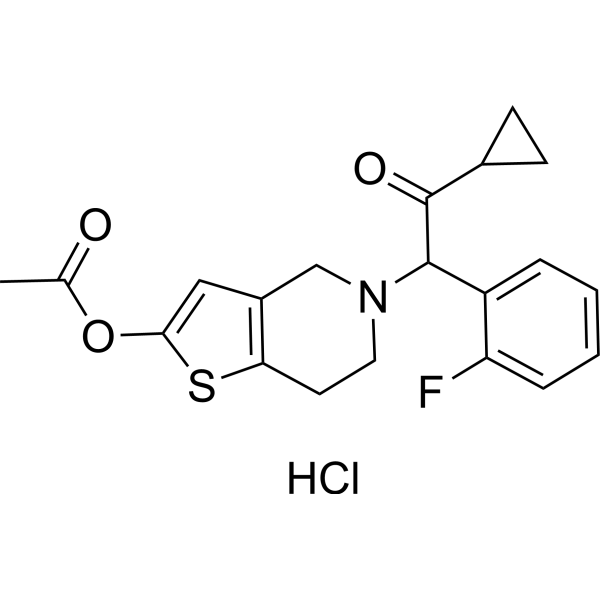 0 ImagesSynonyms: PCR 4099 hydrochloridePrasugrel hydrochloride (PCR 4099 hydrochloride), a thienopyridine and proagent, inhibits platelet function. Prasugrel hydrochloride is an orally active and potent P2Y12 receptor antagonist, and inhibits ADP-induced platelet aggregation.
-
N6-(4-Hydroxybenzyl)adenosine
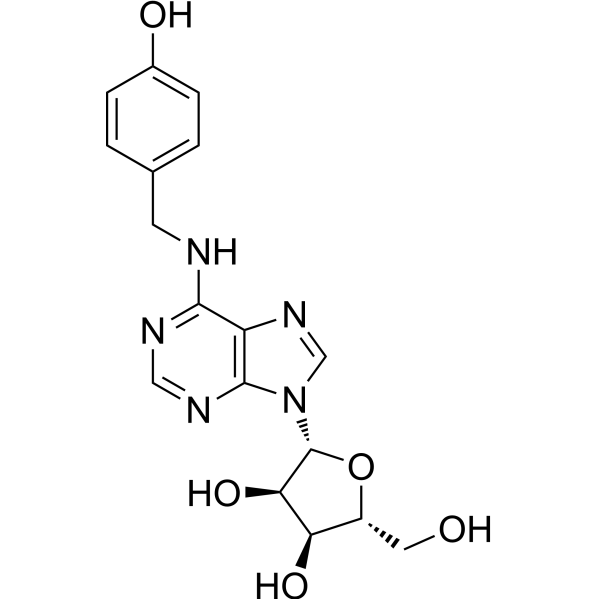 0 ImagesSynonyms: Para-topolin ribosideN6-(4-Hydroxybenzyl) adenosine (Para-topolin riboside) is an equilibrative nucleoside transporter 1 (ENT1) inhibitor and a selective agonist of adenosine A2a receptor (A2aR), and also exhibits activity against P2Y12 receptor. N6-(4-Hydroxybenzyl) adenosine reduces ethanol intake and preference, attenuates operant conditioning-induced ethanol place preference, decreases the value of ethanol-related rewards, and inhibits collagen-induced platelet aggregation. N6-(4-Hydroxybenzyl) adenosine can be used in studies related to alcohol use disorder.
-
AZD1283
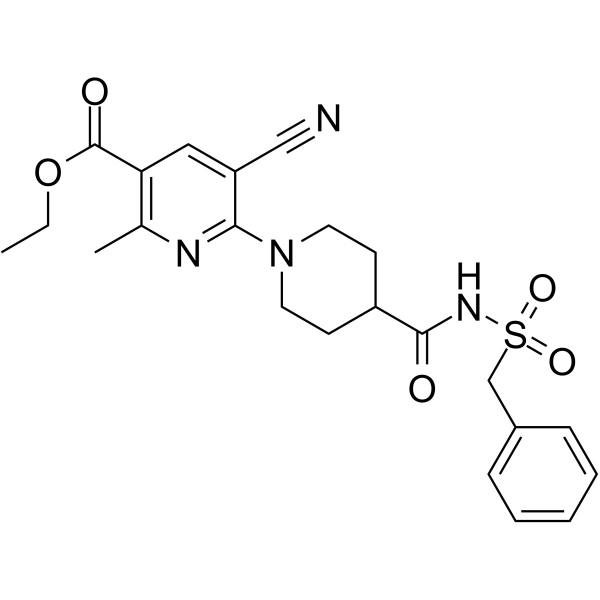 0 ImagesAZD1283 is a potent P2Y12 receptor antagonist with a binding IC50 of 11 nM and a GTPγS IC50 of 25 nM. AZD1283 has excellent antiplatelet aggregation potency. AZD1283 can be used to research thromboembolic disorders.
-
Vicagrel
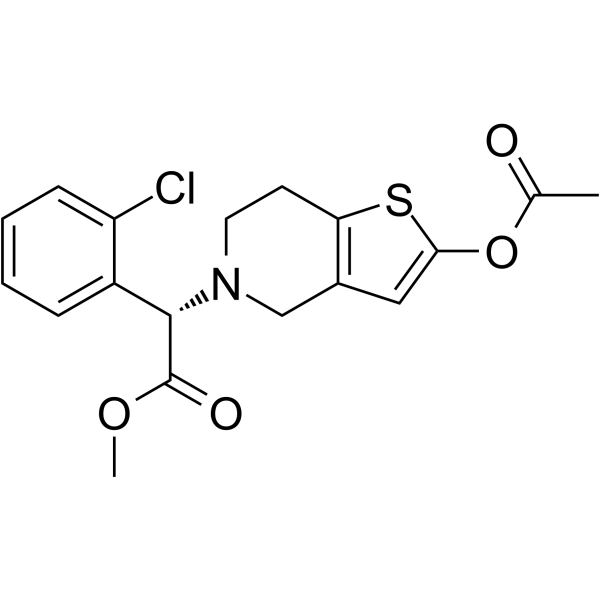 0 ImagesVicagrel is a potent, safe and orally active antiplatelet agent, which works by irreversibly inhibiting P2Y12 receptor. Vicagrel can be used for the research of blood clots in coronary artery disease, peripheral vascular disease, and cerebrovascular disease.
-
Uridine 5'-diphosphate-13C9,15N2 dilithium
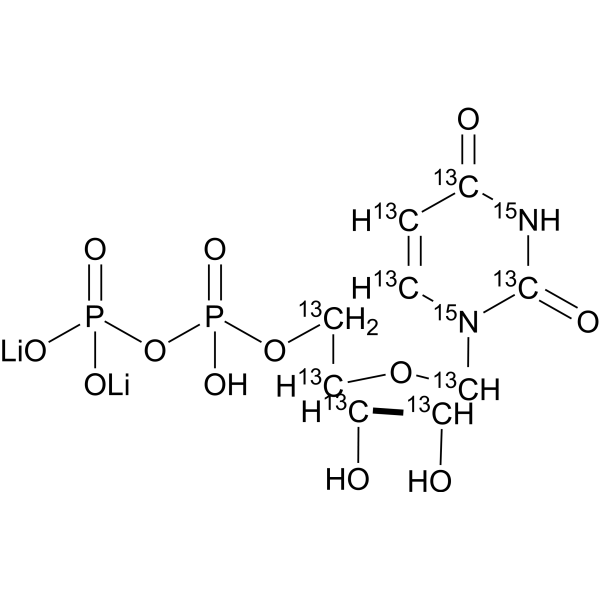 0 ImagesCat. No.: HY-113359AS2Purity: 99.5%Synonyms: UDP-13C9,15N2 dilithiumUridine 5'-diphosphate-13C9,15N2 (UDP-13C9,15N2) dilithium is the 13C9,15N2-labeled Uridine 5'-diphosphate (HY-113359). Uridine-5'-diphosphate is an important nucleotide made of uracil, ribose, and a pyrophosphate group. Uridine-5'-diphosphate is a potent, selective human P2Y6 receptor native agonist (EC50 = 300 nM; pEC50 = 6.52). Uridine-5'-diphosphate disodium salt, an endogenous metabolite, catalyzes the glucuronidation of a wide array of substrates and is used in nucleic acid (RNA) biosynthesis.




